Navigating the 2026 US Housing Market: Stabilization, Growth, and Expert Predictions
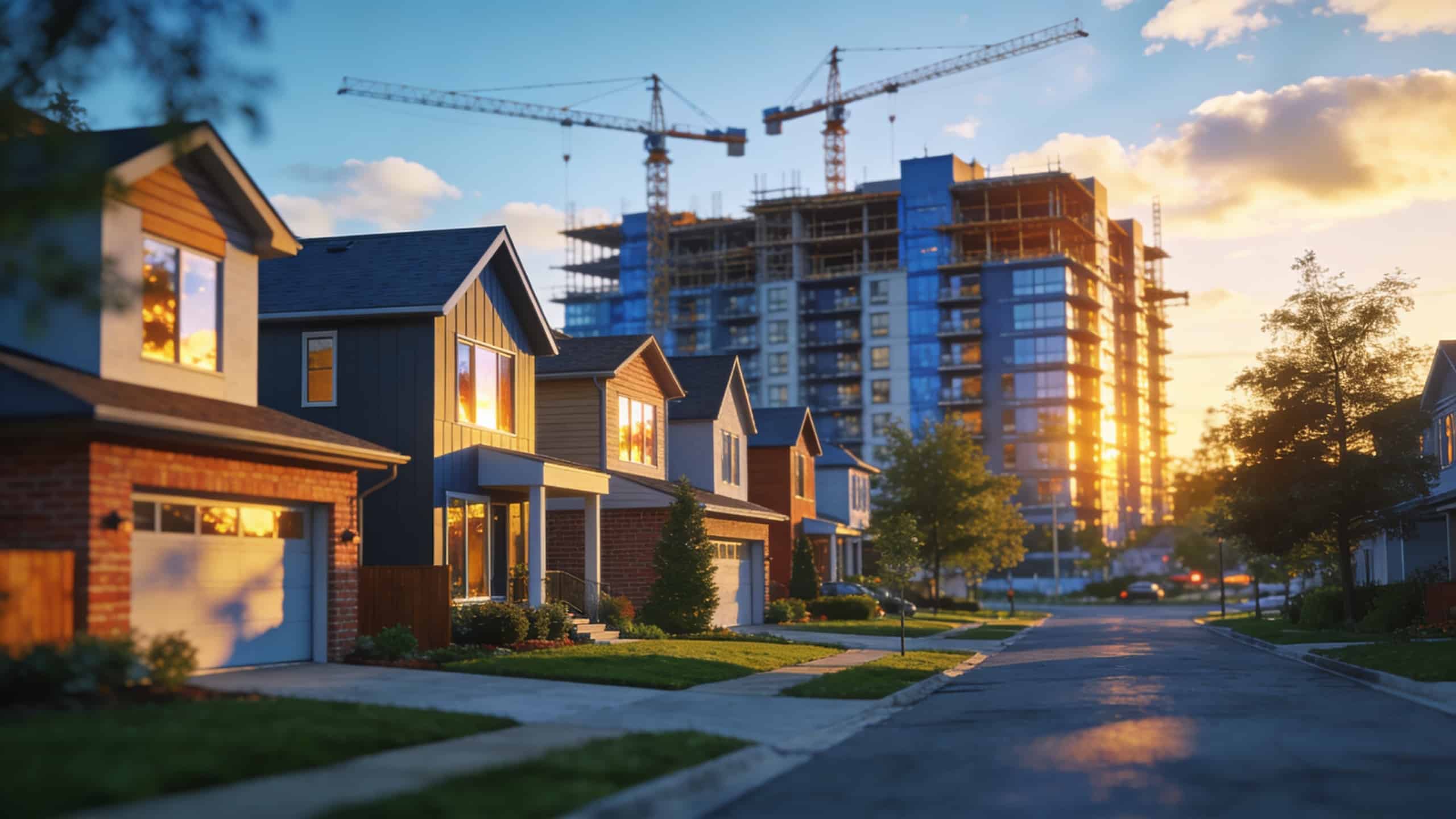
The real estate landscape is a dynamic entity, constantly shifting and evolving with economic tides, demographic changes, and policy decisions. For anyone invested in or looking to enter the property market, understanding these shifts is paramount. As we look towards the future, specifically to the 2026 US Housing Market, a picture of stabilization and modest growth begins to emerge. After years of unprecedented volatility, marked by soaring prices and then a period of correction, experts are now forecasting a more predictable environment, with home prices predicted to stabilize and grow by approximately 2%.
This article aims to provide a comprehensive overview of what to expect in the 2026 US Housing Market. We will delve into the various factors influencing these predictions, from interest rate trajectories and inflation to supply-demand dynamics and regional variations. Whether you are a prospective homebuyer, a current homeowner considering selling, or a real estate investor, gaining insight into these trends will be invaluable for making informed decisions. The anticipated stabilization signals a potential return to a more balanced market, offering both opportunities and challenges that require careful consideration.
Understanding the Current Housing Climate Leading to 2026
To accurately forecast the 2026 US Housing Market, it’s essential to first understand the journey it has taken. The period following the initial stages of the pandemic saw an extraordinary surge in housing demand, fueled by historically low interest rates and a desire for more space. This led to rapid price appreciation, bidding wars, and a highly competitive market where buyers often had to waive contingencies to secure a home. However, as 2022 progressed, the Federal Reserve’s aggressive interest rate hikes to combat inflation began to cool the market significantly. Mortgage rates climbed, affordability became a major concern, and buyer demand softened, leading to a deceleration in price growth and, in some areas, modest price declines.
The latter part of 2023 and early 2024 have been characterized by a recalibration. While prices haven’t collapsed as some feared, the pace of sales has slowed, and inventory levels, while still historically low in many areas, have shown signs of improvement. This period of adjustment is crucial for setting the stage for the 2026 US Housing Market. Many market participants have been waiting on the sidelines, anticipating greater clarity on economic conditions and interest rate stability. The current environment is one of cautious optimism, with a general consensus that the most turbulent period may be behind us, paving the way for a more predictable future.
Several key indicators have been under close watch. Inflation, while still elevated, has shown signs of moderating, which is a critical factor for the Federal Reserve’s monetary policy. Employment figures have remained robust, supporting consumer confidence, albeit with some sectors experiencing layoffs. Consumer spending patterns are also being monitored closely, as they reflect the overall health of the economy. These intertwined factors collectively paint a picture of an economy gradually finding its footing, which directly impacts the housing sector. The transition from a hyper-inflated market to one seeking equilibrium is a complex process, and the outcomes observed in the immediate future will heavily influence the projected stability of the 2026 US Housing Market.
Key Factors Influencing the 2026 US Housing Market Outlook
Forecasting the future of the 2026 US Housing Market involves analyzing a confluence of macroeconomic and microeconomic factors. These elements interact in complex ways, shaping everything from home prices to buyer behavior. Understanding these drivers is crucial for anyone trying to navigate the real estate landscape.
Interest Rates and Mortgage Trends
Perhaps the most significant factor influencing housing affordability and demand is the trajectory of interest rates. The Federal Reserve’s decisions on the federal funds rate directly impact mortgage rates. Experts anticipate that by 2026, we will see a more stable and potentially slightly lower interest rate environment compared to the peaks of 2023-2024. This moderation would improve affordability, making homeownership more accessible for a broader segment of the population and potentially stimulating buyer activity. A consistent, predictable interest rate environment allows both buyers and sellers to plan more effectively, reducing market uncertainty. The expectation is not a return to the ultra-low rates of the pandemic era, but rather a sustainable level that supports market equilibrium.
Lower and more stable mortgage rates tend to increase purchasing power, which can translate into higher demand and, consequently, support the projected 2% growth in home prices for the 2026 US Housing Market. Conversely, any unexpected upward movement in rates could temper this growth. Therefore, monitoring Federal Reserve announcements and economic data releases will remain critical.
Inflation and Economic Stability
Inflation has been a dominant theme in recent economic discussions, directly impacting the cost of living and, by extension, housing costs. As inflation moderates towards the Federal Reserve’s target, it reduces the pressure for aggressive rate hikes, contributing to the aforementioned interest rate stability. A stable inflationary environment fosters greater economic confidence, encouraging investment and consumer spending, including on big-ticket items like homes. The projected 2% growth in the 2026 US Housing Market assumes a relatively stable economic backdrop, where inflation is managed without stifling growth. Economic stability also influences job security and wage growth, which are fundamental to people’s ability to afford housing.
Furthermore, a healthy economy often leads to increased household formation, which directly translates to housing demand. If the economy continues its path towards stability, it will provide a solid foundation for the housing market’s predictable performance in 2026.
Supply and Demand Dynamics
The imbalance between housing supply and demand has been a persistent challenge in recent years. A significant shortage of available homes, particularly affordable starter homes, has driven up prices. While new construction has picked up, it has not fully closed the gap. In the 2026 US Housing Market, experts anticipate a gradual improvement in inventory levels. Builders are expected to continue increasing their output, albeit cautiously, in response to demand and improving supply chain conditions. However, the existing housing stock still faces constraints, with many homeowners locked into lower mortgage rates, making them reluctant to sell and buy a new home at a higher rate.
This ‘lock-in effect’ could continue to limit the resale inventory, even as new construction adds to the overall supply. The 2% growth forecast for home prices in the 2026 US Housing Market reflects a scenario where supply slowly catches up with demand, preventing runaway price increases but still allowing for modest appreciation due to ongoing, albeit less intense, competition.
Demographic Shifts and Buyer Behavior
Demographics play a crucial role in shaping the housing market. The large millennial generation is still a significant force in the buyer pool, moving into their prime homeownership years. Their preferences for location, home type, and amenities will continue to influence market trends. Additionally, Generation Z is beginning to enter the market, adding another layer of demand. These younger generations are often more sensitive to affordability and interest rates, making the projected stabilization in the 2026 US Housing Market particularly relevant to them.
Remote work trends, while perhaps not as dominant as during the pandemic, are also expected to continue influencing where people choose to live, potentially boosting demand in more affordable secondary markets. Buyer behavior will likely be more measured and strategic, moving away from the frantic pace of recent years. Buyers in the 2026 US Housing Market are expected to be more discerning, prioritizing long-term value and affordability.
Projected 2% Growth: What Does It Mean for Home Prices?
The forecast of a 2% growth in home prices for the 2026 US Housing Market is a significant indicator. After periods of double-digit annual appreciation and subsequent minor corrections, this prediction suggests a return to a more sustainable and healthy market. But what does a 2% growth rate truly imply for various stakeholders?
For Homebuyers: Opportunities and Challenges
For prospective homebuyers, a 2% growth rate in the 2026 US Housing Market offers a more predictable environment. It means that while home prices will continue to appreciate, they will do so at a much slower and more manageable pace. This reduces the pressure to buy immediately out of fear of rapidly escalating prices, allowing buyers more time to save for down payments, secure financing, and find the right property. Improved affordability, driven by potentially stable or slightly lower interest rates, combined with this modest price growth, could open doors for many who have been priced out of the market.
However, challenges will persist. Inventory levels, while improving, may still remain tight in highly desirable areas. Competition, though less fierce, will still exist, particularly for well-maintained and appropriately priced homes. Buyers will need to be well-prepared, pre-approved for mortgages, and have a clear understanding of their financial limits. The 2026 US Housing Market will reward patience and strategic planning.
For Homeowners: Equity Growth and Selling Decisions
Current homeowners can view a 2% growth in the 2026 US Housing Market as a positive sign of continued, albeit modest, equity appreciation. This steady growth helps solidify their financial position without the risks associated with speculative bubbles. For those considering selling, this forecast suggests a stable market where they can expect their homes to hold value and appreciate slightly. The decision to sell will likely be driven more by personal circumstances (e.g., job relocation, family expansion) rather than solely by market timing.
Homeowners who purchased during the peak of the market and are now considering selling might find that the 2% growth helps them recoup some of the potential depreciation they experienced during the market correction. However, those with very low interest rates on their current mortgages might still face a significant disincentive to sell if buying a new home means taking on a much higher rate. This ‘lock-in effect’ could continue to influence inventory levels in the 2026 US Housing Market.
For Real Estate Investors: Prudent Strategies
Real estate investors will need to adjust their strategies for the 2026 US Housing Market. The era of rapid appreciation that allowed for quick flips and substantial capital gains may be largely over. Instead, investors will likely focus on long-term value, cash flow from rentals, and strategic acquisitions in growth markets. A 2% annual growth rate supports a buy-and-hold strategy, where property values appreciate steadily over time. Investors will need to conduct thorough due diligence, focusing on properties with strong rental demand, good schools, and amenities that appeal to long-term tenants or future buyers.
The emphasis will shift from speculative gains to fundamental value and income generation. Understanding local market nuances and demographic shifts will be even more critical for successful investment in the 2026 US Housing Market.
Regional Variations in the 2026 US Housing Market
While a national average of 2% growth provides a general overview, it’s crucial to remember that the 2026 US Housing Market will not be uniform across the country. Real estate is inherently local, and different regions will experience varying degrees of growth, stability, or even slight adjustments based on local economic conditions, job markets, population shifts, and housing inventory.
Sun Belt Continues to Attract, But at a Slower Pace
Regions in the Sun Belt, particularly in states like Florida, Texas, and parts of the Southeast, have experienced significant population growth and robust housing demand in recent years. These areas are likely to continue seeing positive, albeit more moderate, growth in the 2026 US Housing Market. Affordability challenges, coupled with increased inventory in some areas, may temper the rapid appreciation seen previously. However, strong job markets and continued migration will likely keep these markets relatively buoyant.
Coastal Metros: Stability and Resilience
Major coastal metropolitan areas, such as those in California, New York, and the Pacific Northwest, are often characterized by high costs of living and limited supply. These markets tend to be more resilient due to strong economies and high-paying jobs, but also more susceptible to interest rate fluctuations due to the higher price points. In the 2026 US Housing Market, these areas might see growth that aligns closely with the national average, or slightly below, as affordability remains a significant hurdle. Luxury segments in these markets might perform differently, driven by a different set of economic factors.
Midwest and Mountain States: Steady Performance
Many markets in the Midwest and Mountain States have seen a surge in popularity due to their relative affordability and quality of life. Cities in states like Colorado, Idaho, and parts of the Midwest could continue to experience steady growth in the 2026 US Housing Market, potentially even outpacing the national average in some pockets, especially those with growing tech sectors or burgeoning industries. The balance between affordability and increasing demand will be key in these regions.
Factors Driving Regional Differences
- Job Market Strength: Areas with robust job growth and diverse economies tend to support stronger housing markets.
- Population Migration: Inward migration drives demand, while outward migration can soften it.
- Affordability: Markets with better housing affordability tend to attract more buyers, especially in a higher interest rate environment.
- Local Inventory: The availability of homes for sale significantly impacts pricing power.
- Local Policies: Zoning laws, building regulations, and property taxes can all influence housing supply and demand.
Understanding these regional nuances is critical for anyone making real estate decisions in the 2026 US Housing Market. What holds true for one city may not apply to another, even within the same state.
Challenges and Opportunities in the 2026 US Housing Market
While the forecast for the 2026 US Housing Market points to stabilization and modest growth, it’s important to acknowledge both the potential challenges and the emerging opportunities that this environment presents.
Potential Challenges
- Persistent Affordability Issues: Even with a 2% growth rate and potentially stable interest rates, housing affordability will remain a significant concern for many, especially first-time homebuyers. The cumulative effect of past price increases and current interest rates means that many households will still struggle to enter the market.
- Inventory Constraints: While new construction is increasing, the overall housing supply might still lag behind demand in many desirable areas, particularly for existing homes. The ‘lock-in effect’ could continue to suppress the number of homes listed for sale.
- Economic Uncertainty: Geopolitical events, unexpected shifts in inflation, or a global economic slowdown could all impact the US economy and, consequently, the housing market. While the baseline forecast assumes stability, these external factors always pose a risk.
- Lending Standards: If economic conditions tighten, lenders might become more stringent with their criteria, making it harder for some buyers to qualify for mortgages.
Emerging Opportunities
- More Balanced Market: The shift from a hyper-competitive seller’s market to a more balanced one offers buyers more negotiation power, more time to make decisions, and potentially fewer bidding wars.
- Increased Stability and Predictability: A 2% growth rate signals a return to a more normal market, reducing speculative risks and allowing for more strategic long-term planning for all participants.
- Opportunities for First-Time Buyers: With potentially more stable prices and improved affordability, the 2026 US Housing Market could present a more welcoming environment for first-time buyers who have been sidelined.
- Investment in Rental Properties: For investors, continued strong rental demand (driven by those who cannot afford to buy) and steady property appreciation make rental properties an attractive long-term investment.
- Focus on Value: Buyers and investors alike will place a greater emphasis on value, quality, and location, leading to a more discerning market that rewards well-maintained and appropriately priced properties.
Navigating these challenges and capitalizing on opportunities will require a well-informed approach, whether you are buying, selling, or investing in the 2026 US Housing Market.
Advice for Buyers, Sellers, and Investors in the 2026 US Housing Market
Given the predictions of stabilization and modest growth for the 2026 US Housing Market, different strategies will be beneficial for various participants.
For Prospective Homebuyers: Be Prepared and Patient
The 2026 US Housing Market could be a more favorable environment for buyers than recent years. Here’s how to prepare:
- Strengthen Your Finances: Focus on improving your credit score, saving for a substantial down payment, and building an emergency fund. The stronger your financial position, the better your chances of securing favorable loan terms.
- Get Pre-Approved: Understand exactly how much home you can afford. A pre-approval letter makes you a more serious contender in a competitive market.
- Research Local Markets: As discussed, regional variations are significant. Understand the specific dynamics of the areas you are interested in, including average prices, inventory levels, and growth projections.
- Be Patient but Decisive: While the urgency of past years may subside, good homes in desirable locations will still attract attention. Be ready to act when the right opportunity arises, but avoid rushing into a decision.
- Consider All Options: Explore different types of homes (condos, townhouses, single-family), locations (suburban, urban, rural), and even new construction versus existing homes.
For Homeowners Considering Selling: Optimize and Strategize
Sellers in the 2026 US Housing Market will likely experience a more balanced environment, requiring a strategic approach:
- Price Competitively: With less frenzied demand, pricing your home correctly from the outset will be crucial. Overpricing can lead to longer market times and eventual price reductions.
- Invest in Key Upgrades: Focus on improvements that offer the best return on investment, such as kitchen and bathroom renovations, curb appeal enhancements, and energy-efficient upgrades.
- Stage Your Home Effectively: Presenting your home in the best possible light can significantly impact buyer perception and offers. Declutter, depersonalize, and ensure it’s clean and well-maintained.
- Work with a Knowledgeable Agent: A local real estate agent with a deep understanding of the 2026 US Housing Market trends in your specific area can provide invaluable guidance on pricing, marketing, and negotiation.
- Understand Your Next Move: If you’re selling to buy another home, plan your finances and logistics carefully, especially considering interest rate differences.
For Real Estate Investors: Focus on Long-Term Value
Investors should pivot towards strategies that align with a stable, moderately growing market:
- Emphasize Cash Flow: In a market with 2% appreciation, strong rental income becomes even more critical for overall returns. Focus on properties in areas with high rental demand and reliable tenants.
- Due Diligence is Paramount: Thoroughly research potential investments, including property condition, neighborhood trends, local demographics, and future development plans.
- Explore Emerging Markets: Look beyond traditional hotspots for areas with strong job growth, improving infrastructure, and increasing population, where property values may still have significant room for appreciation.
- Consider Different Asset Classes: Beyond single-family homes, explore multi-family properties, commercial real estate, or even REITs (Real Estate Investment Trusts) as part of a diversified portfolio.
- Stay Informed on Policy Changes: Keep an eye on local and national policies that could impact landlords, property taxes, or development regulations.
Conclusion: A Stable Path Ahead for the 2026 US Housing Market
The forecast for the 2026 US Housing Market paints a picture of stabilization and modest, sustainable growth. After the roller-coaster ride of recent years, a predicted 2% increase in home prices suggests a return to a more normal, balanced environment. This outlook is predicated on several key factors: a more stable interest rate trajectory, moderating inflation, a gradual improvement in housing supply, and sustained demographic demand.
While national averages provide a useful benchmark, it is crucial to remember the localized nature of real estate. Regional variations will continue to play a significant role, with some markets potentially outperforming and others experiencing more subdued growth. For homebuyers, this period could offer a welcome reprieve, providing more time and potentially better affordability. Homeowners can expect continued, albeit slower, equity appreciation, while investors will need to adapt their strategies to focus on long-term value and cash flow rather than rapid speculative gains.
Ultimately, navigating the 2026 US Housing Market successfully will require informed decision-making, careful planning, and a deep understanding of both national trends and local nuances. By staying abreast of economic indicators and market shifts, individuals and investors can position themselves to thrive in this evolving real estate landscape.