Biden’s Climate Initiatives: 50% Emissions Reduction by 2030
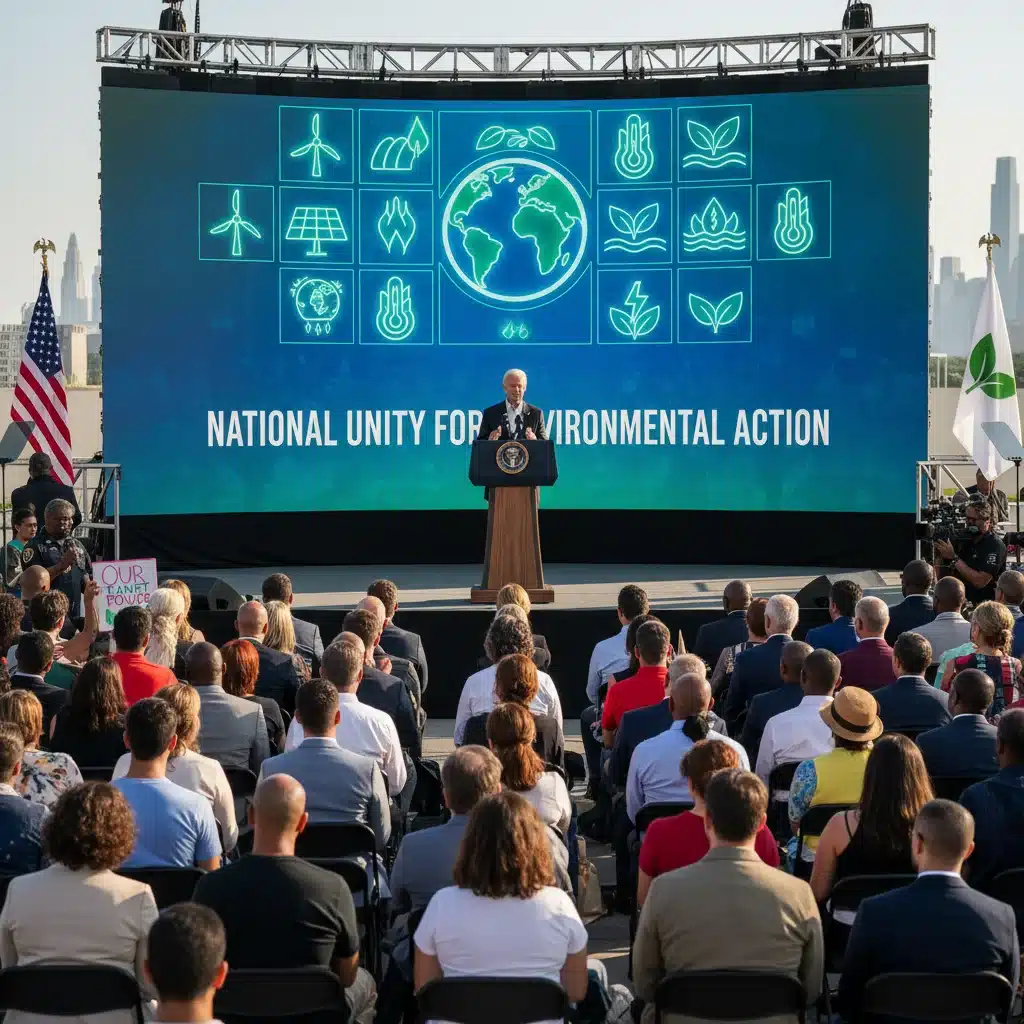
The urgency of climate change has never been more apparent, and in response, the Biden-Harris administration has set forth a monumental goal: to achieve a 50% reduction from 2005 levels in U.S. greenhouse gas (GHG) emissions by 2030. This ambitious target is not merely a political statement but a comprehensive strategy aimed at transforming the American economy, fostering innovation, and re-establishing the United States as a global leader in climate action. These Biden climate initiatives represent a pivotal moment in the nation’s environmental policy, promising far-reaching impacts across various sectors.
Understanding the scope and implications of these initiatives requires a deep dive into the various pillars supporting this overarching goal. From revitalizing the clean energy sector to modernizing infrastructure and promoting environmental justice, the administration’s approach is multi-faceted and interconnected. This article will explore the core components of these policies, their potential economic and social impacts, the challenges that lie ahead, and the broader international context in which these efforts are unfolding. The push for a 50% reduction is not just about numbers; it’s about building a sustainable future for generations to come, addressing the existential threat of a warming planet with decisive action.
The Ambitious Target: 50% Emissions Reduction by 2030
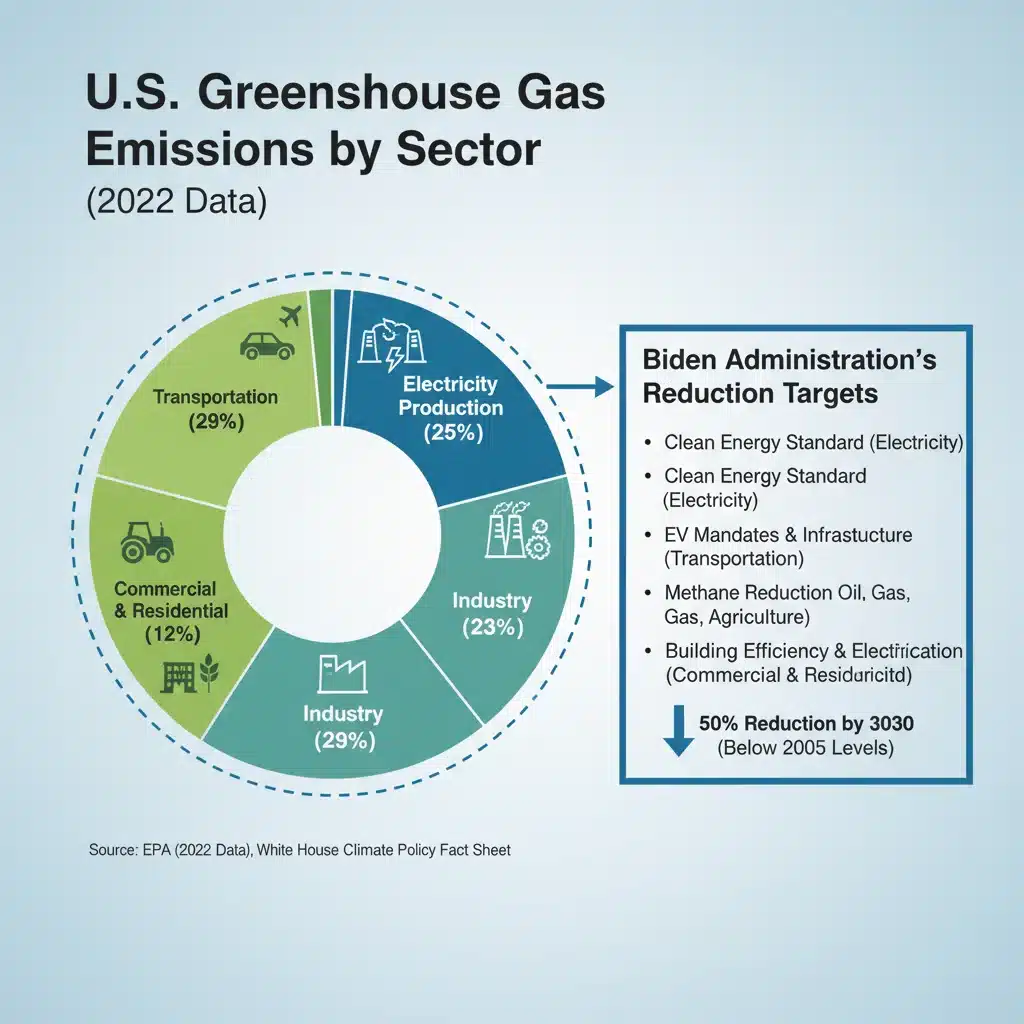
At the heart of the Biden-Harris administration’s environmental agenda is the commitment to cut U.S. greenhouse gas emissions by 50-52% below 2005 levels by 2030. This target, announced during the Leaders Summit on Climate in April 2021, signifies a dramatic acceleration of climate action compared to previous administrations. It aligns the United States with the scientific consensus that deep and rapid emissions cuts are necessary to limit global warming to 1.5 degrees Celsius, as stipulated by the Paris Agreement. Achieving this goal requires a transformation across all sectors of the economy, from energy production and transportation to manufacturing and agriculture.
The 2030 target is not an arbitrary figure; it is rooted in scientific modeling and economic analysis. Experts believe that reaching this level of reduction is both technologically feasible and economically beneficial, potentially creating millions of jobs in the clean energy sector and stimulating innovation. The administration views this as an economic opportunity, not just an environmental imperative. By investing in renewable energy, electric vehicles, and energy-efficient technologies, the U.S. aims to enhance its competitiveness on the global stage, reduce its reliance on fossil fuels, and build a more resilient economy.
Moreover, this target sends a strong signal to the international community. After years of fluctuating commitment to climate action, the U.S. is reasserting its leadership, encouraging other major economies to raise their own ambitions. The credibility of these Biden climate initiatives hinges on concrete policy implementation and sustained investment. Without a clear roadmap and consistent effort, even the most ambitious goals remain out of reach. The administration is acutely aware of this and has begun to roll out a series of policies and programs designed to translate this target into tangible progress.
Key Pillars of the Biden Climate Initiatives
The strategy to achieve the 50% emissions reduction target is built upon several interconnected pillars, each addressing a critical aspect of the U.S. economy and its carbon footprint. These pillars represent a holistic approach, recognizing that climate change is a systemic problem requiring systemic solutions.
1. Decarbonizing the Power Sector
One of the most significant contributors to greenhouse gas emissions is the power sector. The Biden administration aims to achieve 100% carbon pollution-free electricity by 2035. This ambitious goal will be pursued through a combination of incentives for renewable energy development (solar, wind, geothermal), investments in advanced nuclear power, and the deployment of clean energy storage solutions. Policies include tax credits for clean energy technologies, grants for grid modernization, and regulations to reduce emissions from existing power plants. The shift away from fossil fuels in electricity generation is paramount to meeting the overall emissions target.
2. Electrifying Transportation
Transportation is another major source of emissions, primarily from gasoline-powered vehicles. The administration is pushing for a rapid transition to electric vehicles (EVs) by investing in charging infrastructure, offering consumer incentives for EV purchases, and setting stricter fuel efficiency standards. The goal is to make EVs more affordable and accessible to all Americans, reducing reliance on internal combustion engines. This includes electrifying federal vehicle fleets and supporting the development of domestic EV manufacturing capabilities, creating jobs and strengthening supply chains.
3. Boosting Energy Efficiency in Buildings and Industry
Improving energy efficiency in residential, commercial, and industrial buildings can significantly reduce energy consumption and associated emissions. The Biden climate initiatives include programs to retrofit buildings with energy-saving technologies, promote sustainable building codes, and invest in research and development for advanced materials and processes that reduce industrial emissions. This not only lowers carbon footprints but also reduces energy costs for consumers and businesses.
4. Reducing Methane and Other Non-CO2 Emissions
While carbon dioxide is the most prevalent greenhouse gas, methane and other non-CO2 emissions (like hydrofluorocarbons, HFCs) are potent warming agents. The administration is implementing regulations to curb methane leaks from oil and gas operations, promote sustainable agricultural practices that reduce methane emissions from livestock, and phase down HFCs through international agreements. These efforts offer a relatively quick way to achieve significant near-term climate benefits.
5. Investing in Climate-Resilient Infrastructure and Natural Solutions
Beyond emissions reduction, the administration is focusing on adapting to the impacts of climate change and leveraging natural solutions. This involves investing in resilient infrastructure that can withstand extreme weather events, restoring wetlands and forests that sequester carbon, and promoting sustainable land management practices. These initiatives not only protect communities but also enhance biodiversity and support ecosystem services.
Economic and Social Impacts of the Biden Climate Initiatives
The transition to a clean energy economy, driven by the Biden climate initiatives, is expected to have profound economic and social impacts. Proponents argue that these changes will lead to significant job creation, economic growth, and improved public health, while critics raise concerns about potential costs and disruptions.
Job Creation and Economic Growth
One of the primary arguments for these initiatives is their potential to spur economic growth and create millions of new, well-paying jobs. Investments in renewable energy projects, EV manufacturing, battery production, and energy efficiency retrofits are expected to generate demand for skilled labor across various sectors. The administration emphasizes ‘green jobs’ that offer good wages and benefits, often unionized, contributing to a more equitable economic recovery. By positioning the U.S. as a leader in clean technology, these policies aim to capture a significant share of the booming global green economy.
Improved Public Health and Environmental Justice
Reducing fossil fuel reliance and associated air pollution will have direct benefits for public health, particularly in communities disproportionately affected by industrial pollution. Lower rates of respiratory illnesses, heart disease, and other health issues are anticipated. Furthermore, environmental justice is a cornerstone of the Biden administration’s approach. A significant portion of clean energy investments and pollution reduction efforts are directed towards disadvantaged communities that have historically borne the brunt of environmental degradation. This aims to address systemic inequities and ensure that the benefits of the clean energy transition are shared broadly.
Innovation and Technological Advancement
The ambitious emissions targets will undoubtedly drive innovation. Companies and researchers will be incentivized to develop new technologies, improve existing ones, and find more efficient ways to produce and consume energy. This could lead to breakthroughs in areas like advanced battery storage, carbon capture, sustainable aviation fuels, and smart grid technologies, further solidifying the U.S.’s position as a technological leader. The competitive landscape will encourage rapid development and deployment of cutting-edge solutions.
Potential Challenges and Costs
While the benefits are significant, the transition is not without its challenges. Critics often point to the potential costs associated with transforming energy systems, concerns about energy reliability during the transition, and the impact on industries reliant on fossil fuels. There may be short-term job displacements in traditional energy sectors, necessitating robust retraining and support programs. Ensuring a just transition for these workers and communities is a critical aspect that the administration acknowledges and aims to address through targeted investments and partnerships.
Moreover, the scale of investment required is substantial, and securing consistent funding through legislative processes can be a hurdle. Navigating the complexities of state and local regulations, and gaining public buy-in, are also crucial for successful implementation. The political will to sustain these Biden climate initiatives over the long term will be key to their ultimate success.
International Context and Global Leadership
The Biden administration’s climate agenda extends beyond domestic policy; it is deeply intertwined with global efforts to combat climate change. Rejoining the Paris Agreement on day one of the administration signaled a renewed commitment to international cooperation, and the 50% emissions reduction target further solidifies this stance.
Re-establishing U.S. Climate Leadership
Under the previous administration, the U.S. withdrew from the Paris Agreement, creating a vacuum in global climate leadership. Biden’s aggressive targets and proactive diplomacy aim to reclaim that leadership position. By demonstrating a strong domestic commitment, the U.S. seeks to encourage other major economies, particularly China and India, to enhance their own climate ambitions. This leadership is crucial for fostering collective action, as climate change is a global problem requiring global solutions.
Climate Diplomacy and International Partnerships
The administration has actively engaged in climate diplomacy, hosting the Leaders Summit on Climate and participating in international forums like COP (Conference of the Parties) meetings. These platforms are used to forge partnerships, share best practices, and mobilize financial resources for climate action, especially in developing countries. The U.S. is also working with allies to address emissions from international shipping and aviation, sectors that require coordinated global efforts.
Competition and Collaboration with China
While the U.S. and China have their geopolitical differences, climate change is an area where collaboration is seen as essential. Both countries are the world’s largest emitters, and their actions have a disproportionate impact on global warming. The Biden administration has sought to find common ground with China on climate issues, recognizing that significant progress on global emissions reductions will be impossible without their cooperation. This involves both competition in developing clean technologies and collaboration on setting international standards and sharing scientific data.

Challenges and the Path Forward
Achieving a 50% emissions reduction by 2030 is an enormous undertaking, fraught with political, economic, and technological challenges. The path forward requires sustained effort, adaptability, and unwavering commitment.
Policy Implementation and Legislative Support
Many of the Biden climate initiatives require legislative action and substantial funding. The ability of the administration to secure congressional support for its ambitious agenda will be critical. This includes passing comprehensive infrastructure bills, clean energy tax credits, and regulatory frameworks that incentivize decarbonization. Without robust legislative backing, the executive actions alone may not be sufficient to meet the target.
Technological Advancements and Deployment
While many of the necessary technologies already exist, scaling them up and deploying them rapidly across the economy presents a challenge. This includes expanding renewable energy infrastructure, upgrading the electrical grid, developing long-duration energy storage, and advancing carbon capture technologies. Continued investment in research and development, coupled with policies that accelerate deployment, will be essential.
Public Engagement and Behavior Change
The success of these initiatives also depends on public engagement and shifts in consumer behavior. Encouraging the adoption of electric vehicles, promoting energy-efficient choices, and fostering a broader understanding of climate change impacts are crucial. Educational campaigns, accessible incentives, and community-level programs can play a significant role in mobilizing public support and action.
Addressing Equity and Just Transition
Ensuring that the benefits of the clean energy transition are equitably distributed and that no communities are left behind is a continuous challenge. This includes providing support for workers in fossil fuel industries who may face job displacement, investing in underserved communities, and addressing historical injustices. A just transition is not just an ethical imperative but also a practical necessity for building broad-based support for climate action.
Monitoring and Accountability
Regular monitoring of emissions reductions, investment impacts, and policy effectiveness will be vital. Establishing clear metrics and transparent reporting mechanisms will allow for adjustments and course corrections as needed. Holding various sectors and government agencies accountable for their contributions to the overall goal will ensure that progress remains on track.
Conclusion: A Decisive Decade for Climate Action
The Biden-Harris administration’s goal of a 50% reduction in greenhouse gas emissions by 2030 marks a decisive turning point in U.S. climate policy. These Biden climate initiatives represent a comprehensive, whole-of-government approach to tackling the climate crisis, emphasizing both ambitious targets and practical solutions. From transforming the power sector and electrifying transportation to promoting energy efficiency and investing in natural solutions, the strategy is designed to create a cleaner, more prosperous, and more equitable future.
While the challenges are significant, the potential benefits—in terms of job creation, economic growth, public health improvements, and restored global leadership—are even greater. The next few years will be critical in translating these ambitious goals into tangible progress. The success of these initiatives will not only determine the U.S.’s ability to meet its climate commitments but also set a powerful precedent for global climate action. As the world confronts the accelerating impacts of climate change, the commitment to such bold and transformative policies offers a beacon of hope and a clear path forward towards a sustainable planet.