Employer-Sponsored Benefits 2026: Top 5 Trends You Can’t Ignore

The landscape of work is in constant flux, and with it, the expectations of employees regarding their compensation and benefits packages. As we look towards 2026, forward-thinking organizations are already strategizing how to adapt their offerings to attract, retain, and motivate the best talent. The traditional ‘one-size-fits-all’ approach to benefits is rapidly becoming obsolete, replaced by a demand for personalized, flexible, and holistic support that addresses the diverse needs of a modern workforce. Understanding the emerging Employer Benefits Trends 2026 is not just about staying competitive; it’s about fostering a thriving, engaged, and productive employee base.
The global pandemic accelerated many shifts that were already underway, pushing employee well-being, flexibility, and financial security to the forefront. These aren’t temporary changes; they are fundamental recalibrations of what employees value most from their employers. Companies that fail to recognize and adapt to these evolving needs risk falling behind in the fierce competition for skilled professionals. This comprehensive guide will delve into the top five Employer Benefits Trends 2026 that HR professionals and business leaders must consider to future-proof their talent strategies.
From hyper-personalized wellness programs to robust financial education, and from enhanced caregiving support to skill development, the benefits package of tomorrow is far more intricate and employee-centric than ever before. We will explore each trend in detail, providing actionable insights and examples of how leading companies are already implementing these strategies. Prepare to transform your understanding of employee benefits and position your organization as an employer of choice in 2026 and beyond.
The Evolving Landscape of Employee Expectations
Before diving into specific trends, it’s crucial to understand the underlying shifts driving these changes. Employees today are not just looking for a paycheck; they are seeking purpose, flexibility, and support for their overall well-being. The lines between work and personal life have blurred, making holistic support from employers more critical than ever. The rise of remote and hybrid work models has further amplified the need for benefits that are accessible and relevant regardless of an employee’s location.
Furthermore, demographic shifts are playing a significant role. With multiple generations coexisting in the workforce, from Gen Z to Baby Boomers, the diversity of needs is immense. A benefit that appeals to a young professional just starting their career might be irrelevant to an employee nearing retirement, and vice-versa. This necessitates a more flexible and customizable approach to benefits, moving away from rigid, standardized packages. Companies that embrace this complexity and offer tailored solutions will be at a distinct advantage in the coming years. This is a core tenet of the emerging Employer Benefits Trends 2026.
Economic uncertainties also contribute to these evolving expectations. Employees are increasingly concerned about their financial security, housing costs, and the rising cost of living. As a result, benefits that directly address these financial stressors, such as financial planning assistance, debt management programs, and enhanced retirement contributions, are gaining significant traction. A proactive approach to addressing these concerns through comprehensive benefits will be a hallmark of successful organizations in 2026.
Trend 1: Hyper-Personalized Wellness Programs
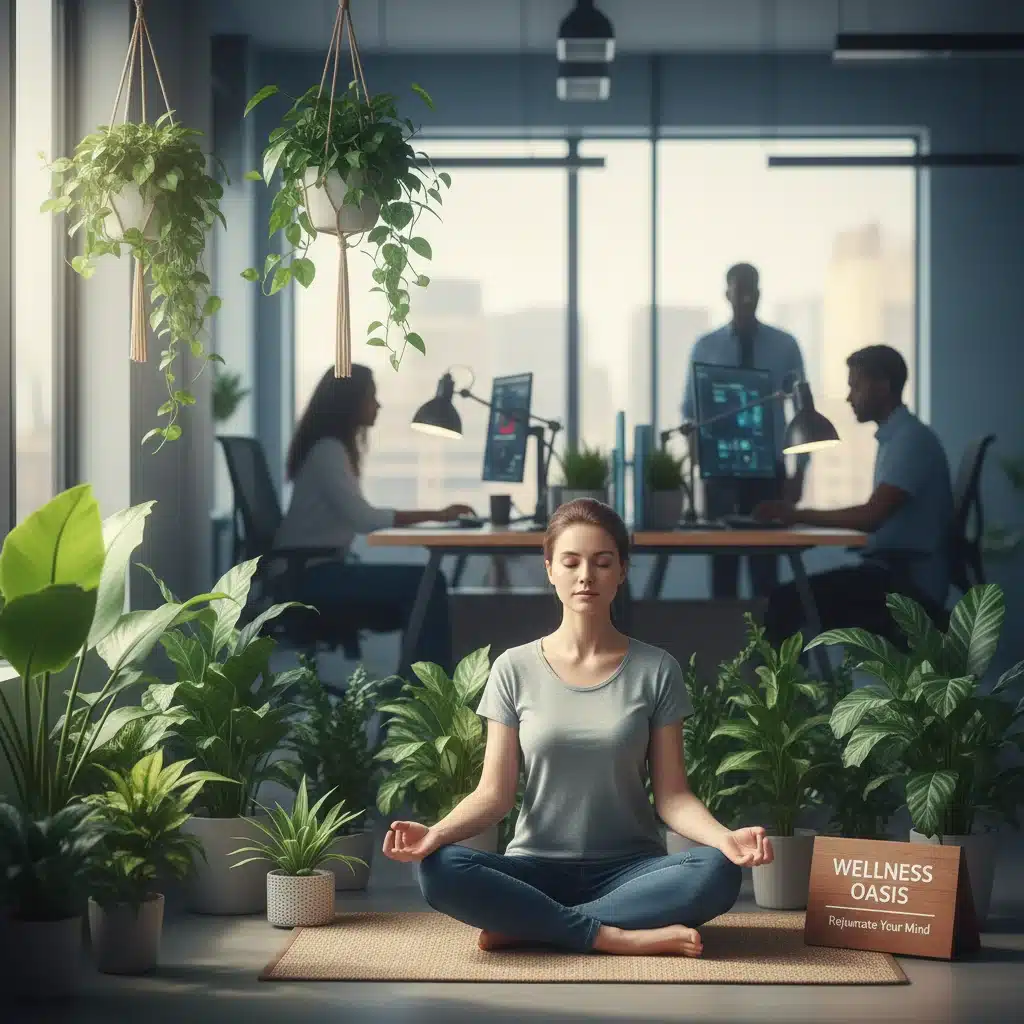
The concept of ‘wellness’ has expanded far beyond physical health. In 2026, hyper-personalized wellness programs will encompass mental, emotional, social, and even spiritual well-being. Employees expect benefits that cater to their individual health journeys, recognizing that what works for one person may not work for another. This means moving beyond generic gym memberships to offering a diverse array of options.
Imagine a wellness program that uses AI to recommend fitness classes based on an employee’s preferences and activity levels, connects them with virtual therapy sessions tailored to their mental health needs, or even provides access to nutritionists who can create personalized meal plans. This level of customization fosters a sense of being truly cared for by the employer, leading to higher engagement and satisfaction. Organizations will leverage data analytics (with strict privacy protocols) to understand employee needs better and offer more relevant wellness solutions. This focus on individualized well-being is a cornerstone of the Employer Benefits Trends 2026.
Examples of hyper-personalized wellness could include:
- Customizable Mental Health Support: Access to a network of therapists, coaching platforms, mindfulness apps, and stress management tools, allowing employees to choose the resources that best suit their needs and comfort levels.
- Flexible Physical Activity Options: Beyond traditional gym memberships, offering stipends for home fitness equipment, virtual workout classes, outdoor activity clubs, or even personalized training programs.
- Nutritional Guidance: Access to registered dietitians for personalized meal planning, dietary advice, and support for specific health conditions or preferences.
- Sleep Improvement Programs: Resources and tools to help employees improve sleep quality, recognizing its critical role in overall health and productivity.
- Social Well-being Initiatives: Programs designed to foster connections and community within the workplace, both virtually and in-person, recognizing the impact of social interaction on mental health.
The key is to offer a broad spectrum of choices and empower employees to select the wellness benefits that genuinely resonate with their personal goals and challenges. This proactive approach to well-being not only improves employee health but also reduces absenteeism and boosts productivity, making it a win-win for both employees and the organization.
Trend 2: Comprehensive Financial Well-being Support
Financial stress is a significant contributor to employee disengagement and poor mental health. In 2026, employers will increasingly recognize their role in supporting employees’ financial well-being, moving beyond just retirement plans to offer more immediate and holistic financial assistance. This trend acknowledges that financial stability directly impacts an employee’s ability to focus and perform effectively at work.
This goes beyond offering competitive salaries. It involves providing tools, resources, and education that empower employees to manage their finances effectively throughout all stages of their lives. From budgeting and debt management to saving for major life events and planning for retirement, comprehensive financial well-being support will be a critical component of attractive benefits packages. This is particularly relevant given ongoing economic uncertainties and the rising cost of living, making it a vital aspect of Employer Benefits Trends 2026.
Key components of comprehensive financial well-being support include:
- Financial Literacy Programs: Workshops, webinars, and online resources covering topics like budgeting, saving, investing, and understanding credit.
- Debt Management Assistance: Access to financial counselors, tools for debt consolidation, or partnerships with organizations that offer debt relief services.
- Emergency Savings Funds: Employer-matched contributions or programs that facilitate automatic deductions into emergency savings accounts.
- Student Loan Repayment Assistance: A growing benefit, especially for younger generations, where employers contribute directly to employees’ student loan principal.
- Personalized Financial Coaching: One-on-one sessions with certified financial planners to help employees create personalized financial strategies.
- Retirement Planning Beyond the 401(k): More robust education on retirement planning, including understanding Social Security, healthcare costs in retirement, and estate planning.
By investing in their employees’ financial health, companies can alleviate a significant source of stress, leading to a more focused, productive, and loyal workforce. This support demonstrates a genuine commitment to employees’ long-term security, fostering trust and reducing turnover.
Trend 3: Enhanced Caregiving and Family Support
The demands of caregiving, whether for children, elderly parents, or other family members, are a significant factor impacting employee availability and stress levels. In 2026, employers will expand their caregiving benefits to offer more robust and flexible support, recognizing that family responsibilities are a universal aspect of many employees’ lives. This trend reflects a broader understanding of work-life integration rather than just work-life balance.
The traditional approach of offering limited parental leave is no longer sufficient. Employees are looking for benefits that provide practical assistance and flexibility to manage their caregiving duties without sacrificing their careers. This includes support for various family structures and caregiving needs, acknowledging the diversity of modern families. Providing enhanced caregiving and family support is a key differentiator among the Employer Benefits Trends 2026.
Examples of enhanced caregiving and family support benefits include:
- Expanded Paid Parental Leave: Longer paid leave for new parents, including adoptive and foster parents, and more flexible return-to-work options.
- Elder Care Support: Resources for finding elder care services, geriatric care managers, or even employer-subsidized respite care.
- Childcare Subsidies or On-site Childcare: Financial assistance for childcare expenses, partnerships with childcare providers, or even on-site facilities to ease the burden on working parents.
- Backup Care Services: Subsidized access to emergency backup care for children or elderly dependents when regular arrangements fall through.
- Flexible Work Arrangements: True flexibility in work schedules, remote work options, and compressed workweeks to help employees manage caregiving responsibilities.
- Caregiver Leave: Paid or unpaid leave specifically designated for employees who need to care for a sick family member, beyond traditional FMLA.
- Fertility and Family Planning Benefits: Coverage for fertility treatments, adoption assistance, and surrogacy support, reflecting a more inclusive approach to family building.
By providing comprehensive caregiving support, companies demonstrate empathy and a commitment to their employees’ overall well-being, leading to increased loyalty, reduced stress, and higher retention rates, especially among women and other primary caregivers.
Trend 4: Skill Development and Career Advancement Opportunities
In a rapidly evolving global economy, continuous learning and skill development are no longer optional but essential for career longevity. Employees, especially younger generations, place a high value on opportunities for growth and advancement. In 2026, employers will integrate robust skill development and career advancement opportunities directly into their benefits packages, recognizing that investing in employee growth is an investment in the company’s future.
This trend goes beyond simply offering tuition reimbursement; it encompasses a strategic approach to upskilling and reskilling the workforce to meet future business needs. It’s about creating a culture of continuous learning where employees feel supported in acquiring new competencies and exploring new career paths within the organization. This focus on growth is a critical element of the Employer Benefits Trends 2026.
Key offerings in this area include:
- Personalized Learning Paths: Customized training programs based on individual career goals, skill gaps, and organizational needs, utilizing AI-driven learning platforms.
- Tuition Assistance and Student Loan Repayment: Expanded programs that cover not just traditional degrees but also certifications, bootcamps, and specialized courses relevant to future roles.
- Internal Mobility Programs: Structured programs that encourage and facilitate employees moving into different roles or departments within the company, fostering retention and internal talent pipelines.
- Mentorship and Coaching Programs: Formal and informal initiatives connecting employees with experienced mentors and professional coaches to guide their career development.
- Access to Online Learning Platforms: Subscriptions to platforms like Coursera, LinkedIn Learning, or Udemy, offering a vast library of courses and skills development opportunities.
- Professional Development Stipends: Funds employees can use for conferences, workshops, professional memberships, or industry certifications.
- Time Allotment for Learning: Dedicated time during work hours for employees to engage in learning and development activities, signaling the company’s commitment to growth.
By positioning skill development as a core benefit, companies can attract ambitious talent, improve employee retention, and ensure their workforce remains agile and adaptable to technological advancements and market changes. It transforms employees from passive recipients of benefits into active participants in their own career trajectories.

Trend 5: Flexible Work Models and Work-Life Integration
Perhaps the most transformative and enduring trend is the continued evolution of flexible work models and a deeper commitment to work-life integration. The pandemic proved that productivity is not solely tied to physical presence in an office. In 2026, flexibility will be an expected norm, not a perk, and employers will refine their approaches to truly support a balanced and integrated life for their employees.
This goes beyond simply offering remote work. It involves creating a culture where employees have autonomy over when, where, and how they work, within reasonable business constraints. It’s about designing work environments and processes that empower employees to manage their professional and personal lives harmoniously, leading to reduced burnout and increased job satisfaction. This shift towards flexibility and integration is central to the Employer Benefits Trends 2026.
Key aspects of flexible work models and work-life integration include:
- Hybrid Work Options: A well-defined hybrid model that offers employees the choice and flexibility to work from home, the office, or a third space, optimizing for collaboration and individual focus.
- Compressed Workweeks: Allowing employees to work their full hours in fewer days (e.g., four 10-hour days), providing longer weekends for personal pursuits.
- Flexible Hours/Flexitime: Giving employees control over their start and end times, as long as core business hours are covered and productivity is maintained.
- Meeting-Free Blocks: Implementing policies that designate certain days or times as ‘meeting-free’ to allow for deep work and focus.
- Unlimited or Generous Paid Time Off (PTO): Trusting employees to manage their time off responsibly, promoting rest and rejuvenation.
- Sabbaticals: Offering extended periods of paid or unpaid leave for personal development, travel, or rest, especially for long-tenured employees.
- Technology for Seamless Remote/Hybrid Work: Investing in tools and infrastructure that support effective communication, collaboration, and productivity for distributed teams.
- Right to Disconnect Policies: Implementing guidelines or policies that protect employees from work-related communications outside of working hours, promoting mental breaks.
Embracing flexible work models requires a shift in management mindset, focusing on outcomes rather than hours. When implemented effectively, these models lead to higher employee morale, reduced turnover, access to a broader talent pool, and improved overall business performance. It’s about creating an environment where employees can thrive both professionally and personally.
Implementing These Trends: A Strategic Approach
Adopting these Employer Benefits Trends 2026 requires more than just adding new items to a checklist. It demands a strategic, holistic approach that aligns benefits with the company’s values, culture, and business objectives. Here are key considerations for successful implementation:
1. Conduct a Needs Assessment
Before making any changes, survey your employees to understand their current needs, preferences, and pain points. What benefits do they value most? Where do they feel unsupported? This data-driven approach ensures that your investments are impactful and resonate with your workforce. Regular feedback loops are essential to keep benefits offerings relevant.
2. Prioritize Flexibility and Choice
The overarching theme for 2026 is flexibility. Instead of dictating benefits, empower employees with choices. Consider a ‘cafeteria-style’ benefits plan where employees can select from a menu of options that best suit their individual and family needs. This personalization is what today’s workforce truly seeks from their employers.
3. Communicate Effectively and Continuously
Even the best benefits are useless if employees don’t know about them or understand how to use them. Develop a robust communication strategy that educates employees about their options, highlights the value of each benefit, and provides clear instructions on how to access them. Use multiple channels – emails, internal portals, workshops, and one-on-one sessions – to ensure information reaches everyone.
4. Leverage Technology
Technology can streamline the administration of complex benefits packages and enhance the employee experience. From HRIS (Human Resources Information Systems) that allow employees to manage their benefits online to AI-powered wellness platforms and virtual financial advisors, technology is crucial for delivering personalized and accessible benefits in 2026. Data analytics can also help track the utilization and impact of various benefits, allowing for continuous optimization.
5. Measure and Adapt
Benefits strategies are not static. Continuously monitor the effectiveness of your programs through metrics like employee satisfaction, retention rates, absenteeism, and benefit utilization. Be prepared to adapt your offerings based on feedback, changing employee demographics, and evolving market conditions. What works today might need adjustments tomorrow to keep up with the dynamic nature of Employer Benefits Trends 2026.
6. Foster a Culture of Well-being
Benefits alone cannot create a thriving workplace. They must be supported by a company culture that genuinely values employee well-being, flexibility, and growth. Leaders and managers play a critical role in modeling these values and creating an environment where employees feel safe, supported, and empowered to utilize the benefits available to them. A culture that encourages taking mental health days or utilizing professional development resources will make benefits far more effective.
The Business Imperative of Modern Benefits
Investing in these modern employee benefits is not merely a cost; it’s a strategic investment with a significant return. Companies that prioritize comprehensive and personalized benefits packages often experience:
- Increased Talent Attraction: Stand out in a competitive job market by offering benefits that genuinely meet employee needs.
- Higher Employee Retention: Reduce turnover by fostering loyalty and making employees feel valued and supported.
- Improved Productivity and Engagement: Employees who feel well-supported, both personally and professionally, are more focused, motivated, and productive.
- Enhanced Employee Well-being: Contribute to a healthier, happier workforce, leading to reduced stress, burnout, and absenteeism.
- Stronger Employer Brand: Build a reputation as an employer of choice, attracting not only top talent but also customers who align with your values.
- Greater Diversity and Inclusion: Benefits that cater to diverse needs help create a more inclusive workplace where everyone feels supported.
As we move into 2026, the organizations that will thrive are those that view their benefits strategy as a dynamic, evolving component of their overall talent management and business strategy. It’s about building a partnership with employees, demonstrating a commitment to their holistic success, and creating an environment where they can do their best work.
Conclusion: Shaping the Future of Work
The year 2026 will mark a significant evolution in employer-sponsored benefits. The five trends discussed – hyper-personalized wellness, comprehensive financial well-being, enhanced caregiving and family support, skill development and career advancement, and flexible work models – are not isolated phenomena but interconnected elements of a broader shift towards a more human-centric workplace. Employers who proactively embrace these Employer Benefits Trends 2026 will not only gain a competitive edge in the talent market but will also cultivate a more resilient, engaged, and thriving workforce.
The future of work is here, and it demands a benefits strategy that is as dynamic and diverse as the employees it serves. By understanding and implementing these forward-thinking approaches, organizations can create a workplace where employees feel valued, supported, and empowered to reach their full potential, ensuring sustainable success for both individuals and the business as a whole. The investment in these types of benefits is an investment in the long-term health and prosperity of your organization. Start planning now to ensure your benefits package is ready for 2026 and beyond.