STEM Education Updates: Future-Proofing Careers for 2026
The landscape of global employment is in a constant state of flux, driven by rapid technological advancements, evolving societal needs, and unprecedented innovation. As we inch closer to 2026, the demand for professionals in Science, Technology, Engineering, and Mathematics (STEM) fields is skyrocketing. This surge isn’t just about more jobs; it’s about a fundamental shift in the types of skills and knowledge required to succeed. Therefore, understanding the latest STEM Education Updates is not merely beneficial; it’s imperative for students, educators, and policymakers alike. This comprehensive article delves into the critical developments in STEM education, exploring how current curricula are adapting to prepare the workforce for the high-demand careers of tomorrow.
The world of 2026 will be characterized by an even deeper integration of artificial intelligence, advanced robotics, sophisticated data analytics, and biotechnological breakthroughs into every facet of life and industry. These transformative technologies are creating entirely new career pathways while simultaneously redefining existing ones. Education systems, particularly those focused on STEM, must respond with agility and foresight to ensure that that graduates are not just equipped for today’s challenges but are also future-proofed for the opportunities and complexities that lie ahead. Let’s embark on a detailed exploration of these vital updates and their implications.
The Shifting Sands of the Job Market: Why STEM Matters More Now Than Ever
Before diving into the specifics of STEM Education Updates, it’s crucial to grasp the magnitude of change occurring in the global job market. Reports from leading economic institutions consistently highlight a growing skills gap, particularly in areas requiring advanced analytical, digital, and problem-solving capabilities. These are precisely the competencies fostered by a robust STEM education. By 2026, industries such as healthcare, manufacturing, finance, and even agriculture will be heavily reliant on STEM professionals to drive innovation, improve efficiency, and solve complex global issues like climate change and public health crises.
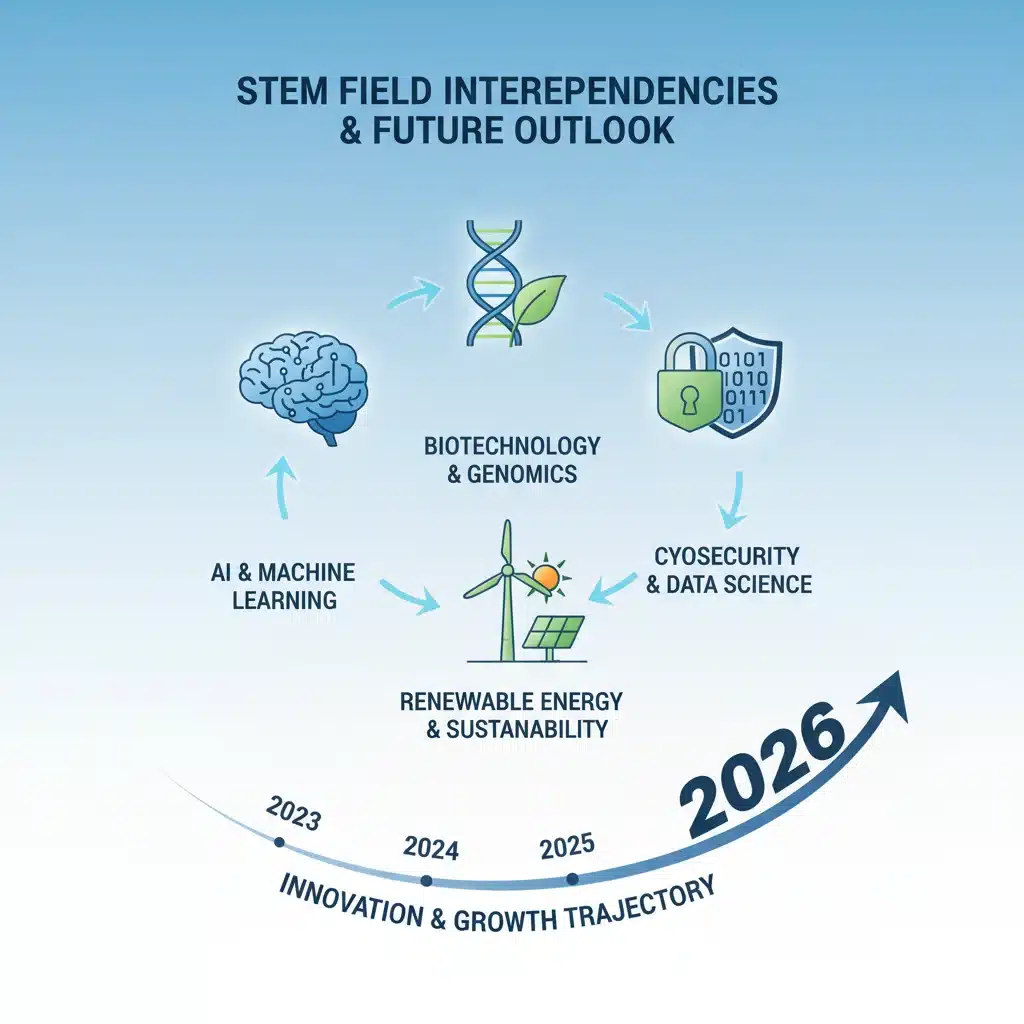
The demand isn’t limited to traditional engineering or scientific roles. We are witnessing the emergence of interdisciplinary fields that blend various STEM disciplines. For instance, bioinformaticians combine biology with computer science, while data ethicists merge data science with philosophy and ethics. This necessitates an educational approach that breaks down silos between subjects, encouraging a holistic and integrated understanding of scientific principles and their applications. The emphasis is no longer solely on rote memorization but on critical thinking, creativity, collaboration, and communication – skills that are inherently developed through hands-on, project-based STEM learning.
Furthermore, the rapid pace of technological change means that continuous learning and adaptability are paramount. A degree earned today may not fully prepare an individual for the demands of a decade from now. Therefore, modern STEM Education Updates are increasingly focusing on instilling a mindset of lifelong learning, equipping students with the foundational knowledge and cognitive tools to acquire new skills and adapt to emergent technologies throughout their careers. This proactive approach ensures that the future workforce remains resilient and competitive in a dynamic global economy.
Key Areas of Focus in Recent STEM Education Updates
The evolution of STEM education is multifaceted, encompassing curriculum redesign, pedagogical innovation, and increased emphasis on certain skill sets. Here are some of the most significant areas receiving attention:
1. Enhanced Emphasis on Digital Literacy and Cybersecurity
In an increasingly digitized world, digital literacy goes beyond simply knowing how to use a computer. It now includes understanding computational thinking, data structures, algorithms, and the principles of artificial intelligence and machine learning. Cybersecurity, once a niche field, has become a universal concern. Educational programs are integrating cybersecurity awareness and basic principles into core STEM curricula, preparing students to protect digital assets and understand the implications of cyber threats. This includes teaching secure coding practices, network security fundamentals, and ethical hacking principles, ensuring that the next generation of professionals can navigate and secure the digital frontier.
2. The Rise of Data Science and Analytics Education
Data is often referred to as the new oil, and the ability to collect, analyze, interpret, and derive insights from vast datasets is a skill in extremely high demand. STEM Education Updates are seeing a significant surge in data science programs, even at the K-12 level, where students are introduced to basic statistical concepts, data visualization, and computational tools. At higher education levels, specialized degrees and certifications in data science, big data analytics, and machine learning engineering are becoming commonplace. These programs often incorporate real-world case studies and project-based learning to give students practical experience in solving complex data-driven problems across various industries.
3. Integration of Artificial Intelligence and Machine Learning
AI and Machine Learning (ML) are no longer futuristic concepts; they are here and transforming industries. Future-oriented STEM education is integrating AI/ML concepts into various disciplines, from robotics and automation to healthcare and finance. Students are learning about neural networks, deep learning, natural language processing, and computer vision. The goal is not just to produce AI researchers but also to equip professionals in all STEM fields with a foundational understanding of AI’s capabilities and limitations, enabling them to leverage AI tools effectively and ethically in their respective domains. This includes understanding the ethical implications of AI, such as bias in algorithms and data privacy concerns.
4. Biotechnology and Bioengineering Advancements
The fields of biotechnology and bioengineering are experiencing a renaissance, driven by breakthroughs in genomics, synthetic biology, and genetic engineering. STEM Education Updates are reflecting this by offering more specialized courses and research opportunities in these areas. Students are learning about CRISPR gene editing, drug discovery, biomanufacturing, and biomedical device development. The interdisciplinary nature of these fields means that programs often combine biology, chemistry, engineering, and computer science, preparing graduates for roles in pharmaceuticals, agriculture, environmental science, and healthcare innovation.
5. Renewable Energy and Environmental Science Focus
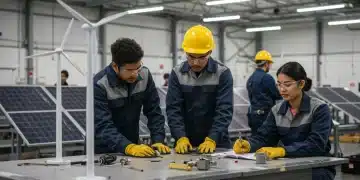
With increasing global attention on climate change and sustainability, renewable energy and environmental science have become critical STEM areas. Educational programs are expanding to cover topics like solar energy, wind power, geothermal systems, sustainable engineering, and environmental policy. The aim is to produce engineers, scientists, and innovators who can develop and implement sustainable solutions for energy production, resource management, and environmental protection. This includes understanding complex ecological systems, climate modeling, and the economic and social aspects of sustainable development.
6. Robotics and Automation
The automation of tasks across industries, from manufacturing to logistics and even healthcare, is only set to accelerate. STEM education is therefore placing a strong emphasis on robotics, automation, and mechatronics. Students are learning about robot design, control systems, human-robot interaction, and the ethical considerations surrounding increasing automation. Practical, hands-on experience with robotic platforms and simulation software is becoming a cornerstone of these programs, preparing students for roles in advanced manufacturing, autonomous systems development, and smart infrastructure.

Pedagogical Innovations Driving STEM Education Forward
Beyond curriculum content, how STEM is taught is undergoing significant transformation. Modern pedagogical approaches are designed to be more engaging, effective, and relevant to real-world applications.
1. Project-Based Learning (PBL)
PBL is at the forefront of STEM Education Updates. Instead of traditional lectures and exams, students work on complex, real-world problems over an extended period. This approach encourages critical thinking, problem-solving, collaboration, and creativity. For instance, students might design a sustainable urban garden, develop a mobile application to solve a community problem, or build a robotic arm. PBL not only deepens understanding of scientific and mathematical concepts but also develops essential soft skills highly valued by employers.
2. Experiential Learning and Internships
Providing students with opportunities to apply their knowledge in practical settings is crucial. Experiential learning, including internships, co-op programs, and research opportunities, allows students to gain hands-on experience, network with professionals, and understand the practical applications of their studies. These experiences are invaluable for career preparation and often lead directly to employment opportunities post-graduation. Universities and colleges are increasingly forging partnerships with industries to create more such opportunities.
3. Interdisciplinary and Transdisciplinary Approaches
The complex challenges of the 21st century rarely fit neatly into a single academic discipline. Therefore, STEM Education Updates are promoting interdisciplinary and transdisciplinary learning, where students explore connections between different subjects. This might involve courses that combine biology and engineering (bioengineering), or computer science and art (digital media). Transdisciplinary approaches go a step further by integrating academic knowledge with real-world problems and community engagement, fostering a holistic understanding and innovative solutions.
4. Flipped Classrooms and Blended Learning
Technology is enabling more flexible and personalized learning experiences. Flipped classrooms, where students review lecture material at home and engage in problem-solving and discussions in class, allow educators to dedicate class time to more interactive and collaborative activities. Blended learning combines online and in-person instruction, offering students greater flexibility and access to resources. These models cater to diverse learning styles and paces, making STEM education more accessible and effective.
5. Emphasizing Soft Skills
While technical proficiency is vital, employers consistently rank soft skills as equally important. Communication, teamwork, adaptability, creativity, and ethical reasoning are critical for success in any STEM career. Modern STEM Education Updates are consciously integrating the development of these skills into the curriculum through group projects, presentations, peer reviews, and ethical dilemma discussions. The ability to articulate complex technical concepts to non-technical audiences, for example, is a highly sought-after skill.
Preparing for 2026’s High-Demand Careers: Specific Examples
Let’s look at some specific career paths that are projected to be in high demand by 2026 and how current STEM education is preparing individuals for them:
1. Artificial Intelligence/Machine Learning Engineer
These professionals design, build, and maintain AI systems and algorithms. Education focuses on advanced mathematics, statistics, computer science, programming languages like Python and R, and specialized courses in machine learning, deep learning, and natural language processing. Practical projects involving real datasets are key.
2. Data Scientist/Analyst
Data scientists extract insights from complex data to inform business decisions. Their education emphasizes statistics, data modeling, programming, data visualization, and domain-specific knowledge (e.g., healthcare data, financial data). Strong communication skills are essential to present findings effectively.
3. Cybersecurity Analyst/Engineer
With the increasing threat of cyberattacks, cybersecurity professionals are critical. Education includes network security, ethical hacking, cryptography, digital forensics, and understanding compliance regulations. Hands-on labs simulating cyberattacks and defense strategies are integral.
4. Renewable Energy Engineer
These engineers design, develop, and maintain systems for renewable energy sources. Their education covers electrical engineering, mechanical engineering, materials science, thermodynamics, and fluid mechanics, with a specific focus on solar, wind, hydro, and geothermal technologies. Understanding energy policy and economics is also important.
5. Biomedical Engineer
Biomedical engineers combine engineering principles with medical and biological sciences to design and create equipment, devices, computer systems, and software used in healthcare. Education involves engineering fundamentals, biology, physiology, chemistry, and specialized courses in medical imaging, biomechanics, and biomaterials.
6. Robotics Engineer
Robotics engineers design, build, and program robots for various applications. Their education typically includes mechanical engineering, electrical engineering, computer science, control systems, and artificial intelligence. Practical experience with robotics platforms and automation software is crucial.
7. Cloud Architect/Engineer
As businesses increasingly move to cloud platforms, professionals who can design, implement, and manage cloud infrastructure are highly sought after. Education focuses on distributed systems, network architecture, virtualization, programming, and specific cloud platforms like AWS, Azure, or Google Cloud. Understanding security in cloud environments is also vital.
The Role of Government and Industry in Supporting STEM Education Updates
The responsibility for effective STEM Education Updates doesn’t solely rest on educational institutions. Governments play a crucial role through funding initiatives, policy development, and promoting STEM awareness. Investments in research and development, scholarships for STEM students, and grants for innovative educational programs are vital. For example, national initiatives aiming to boost computer science education in K-12 schools are instrumental in building a foundational pipeline of talent.
Industry collaboration is equally important. Companies can provide valuable insights into current and future skill demands, offer internships and mentorships, and contribute resources for curriculum development. Partnerships between universities and corporations can lead to cutting-edge research, specialized training programs, and ensure that educational outcomes are directly aligned with industry needs. This symbiotic relationship ensures that the educational system remains responsive to the dynamic requirements of the job market.
Furthermore, bridging the gap between academia and industry helps to ensure that students are exposed to real-world problems and technologies. Guest lectures from industry experts, joint research projects, and industry-sponsored challenges provide students with practical context and motivation. This collaboration also helps in developing and refining professional development programs for educators, ensuring they are up-to-date with the latest industry trends and technologies.
Challenges and Opportunities in Implementing STEM Education Updates
While the need for advanced STEM education is clear, implementing these updates comes with its own set of challenges. One significant hurdle is securing adequate funding for new technologies, teacher training, and curriculum development. Attracting and retaining highly qualified STEM educators, especially in areas like computer science and engineering, can also be difficult, as these professionals often have lucrative opportunities in the private sector.
Another challenge is ensuring equitable access to quality STEM education for all students, regardless of their socioeconomic background or geographic location. Disparities in resources and opportunities can exacerbate existing inequalities, creating a wider skills gap. Efforts are needed to promote diversity and inclusion in STEM, encouraging participation from underrepresented groups.
However, these challenges also present significant opportunities. The increasing awareness of STEM’s importance is driving greater investment and innovation. The rise of online learning platforms and open educational resources (OERs) can help democratize access to high-quality STEM content. Furthermore, fostering a culture of curiosity, experimentation, and problem-solving from an early age can inspire more students to pursue STEM pathways.
The continuous feedback loop between educational institutions, industry, and government is essential. Regular assessments of curriculum effectiveness, tracking graduate employment outcomes, and conducting workforce needs analyses can help refine and adapt STEM Education Updates to remain relevant and impactful. This iterative process ensures that education evolves at a pace that can keep up with technological and economic changes.
The Future of Learning: Personalized and Adaptive STEM Education
Looking further into the future, STEM education is likely to become even more personalized and adaptive. Leveraging AI and data analytics in education itself will allow for customized learning paths that cater to individual student strengths, weaknesses, and learning styles. Adaptive learning platforms can provide real-time feedback, suggest supplementary materials, and adjust the pace of instruction, optimizing the learning experience for each student.
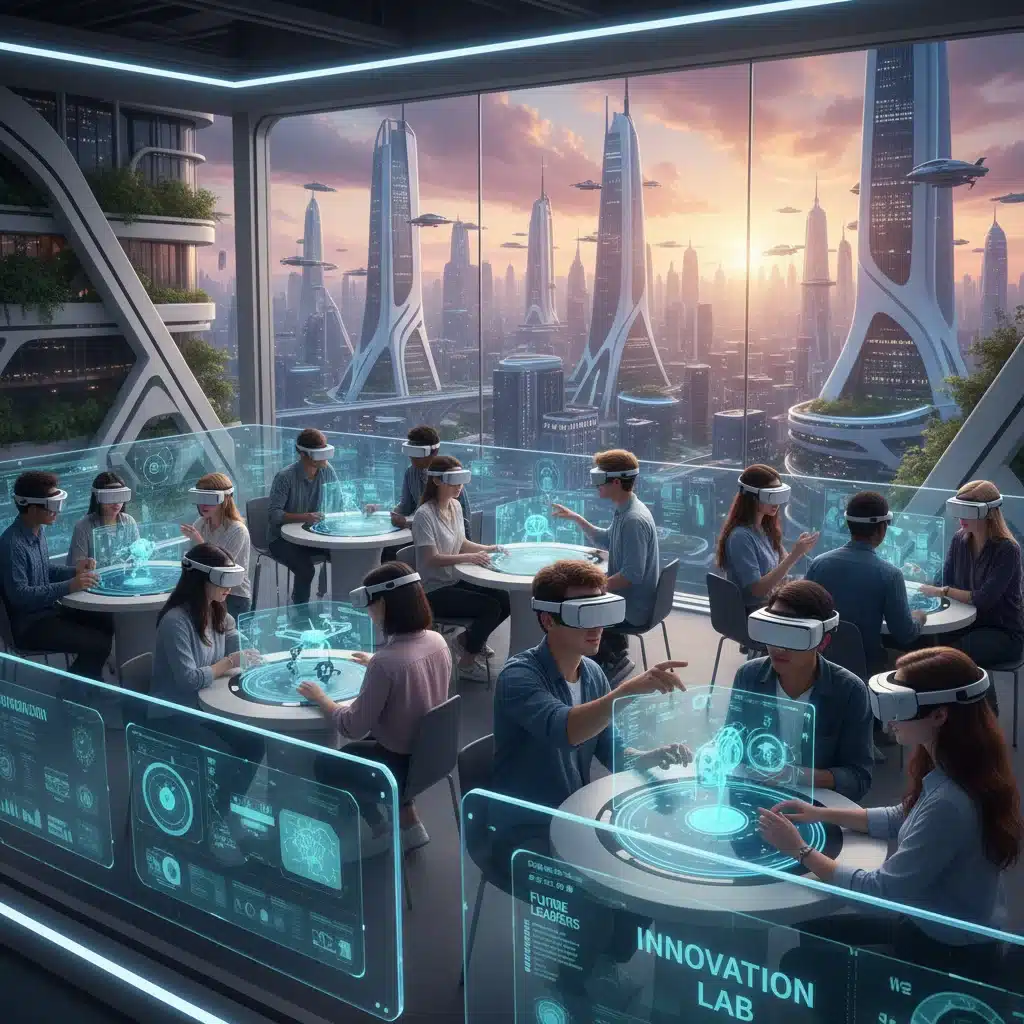
Virtual reality (VR) and augmented reality (AR) are also poised to revolutionize STEM learning, offering immersive and interactive experiences that can bring complex concepts to life. Imagine dissecting a virtual frog without harming an animal, or designing a bridge in a simulated environment, testing its structural integrity before building a physical prototype. These technologies can make learning more engaging, intuitive, and accessible, particularly for abstract STEM subjects.
The emphasis will continue to be on developing critical thinking and problem-solving skills, rather than just content mastery. The ability to learn, unlearn, and relearn will be the most valuable asset in a world where knowledge itself is constantly expanding and changing. Therefore, STEM Education Updates will increasingly focus on metacognition – teaching students how to think about their own thinking and learning processes.
Conclusion
The rapid evolution of technology and the global economy necessitates a dynamic and forward-thinking approach to education, especially in STEM fields. The STEM Education Updates we are witnessing today are not just minor adjustments; they represent a fundamental paradigm shift aimed at preparing a resilient, innovative, and highly skilled workforce for the high-demand careers of 2026 and beyond.
From a strong emphasis on digital literacy, data science, and AI, to pedagogical innovations like project-based learning and experiential opportunities, the goal is to equip students with both the technical expertise and the essential soft skills required to thrive in an increasingly complex world. Collaboration between educational institutions, government bodies, and industry partners will be paramount in overcoming challenges and maximizing the opportunities presented by this transformative era in STEM education.
For individuals, embracing lifelong learning and continually updating skills will be key to navigating a career landscape defined by constant change. For educators and policymakers, the challenge and opportunity lie in fostering an educational ecosystem that is agile, equitable, and deeply connected to the needs of the future. By proactively addressing these STEM Education Updates, we can ensure that the next generation is not only prepared for the future but is also empowered to shape it.